Below 5°F
Most standard heat pumps are near the bottom of what they can pull from outside air. A gas furnace or backup heat strip usually takes over from there.
The right pro for this job
Most heat pumps lose efficiency as the temperature drops, and some struggle to keep up on the coldest New Jersey nights. This page gets into what temperature that happens at, and what it means for your heat and your bill when it does. If you're thinking about a system built for this climate, you can get matched with a local contractor who installs them.
Get my matchA standard heat pump starts losing real heating power somewhere around 20 to 25 degrees, and below that it has to work harder for less heat. Most units can still pull warmth from the air down into the single digits, but by the time New Jersey gets a night in the teens or lower, the system is running close to its limit. A cold-climate heat pump is built to keep working efficiently well below that, down toward 5 degrees or lower, which matters here since January nights can drop that low. For a standard unit, this doesn't mean it shuts off. It means your backup heat, usually electric resistance coils, kicks in more to cover the gap, and electric backup heat costs more to run than the heat pump itself. If your heat pump struggles on the coldest nights, or your bill jumps every time it gets cold, that's usually why.




A heat pump doesn't make heat the way a furnace does. It moves heat that's already in the outdoor air into your house, using refrigerant and a compressor, the same cycle an air conditioner runs, just pointed the other way. That works fine when there's plenty of heat in the air to grab. Once outdoor temperatures drop into the 30s, there's less of it, so the compressor has to run longer and work harder to deliver the same warmth indoors. Below a certain point, it can't keep up on its own, and that's where backup comes in, either an electric heat strip inside the air handler or a furnace that takes over the load. Cold, damp air also builds frost on the outdoor coil, so the system pauses its heating cycle every so often to defrost itself, briefly pulling warmth from inside the house to melt that frost off. All of this is normal operation, not a sign anything's wrong. What matters is where the balance point sits, the outdoor temperature where the heat pump alone stops matching how fast your house loses heat. That point isn't fixed. It depends on the size of the unit, how it was matched to your house, and how much backup heat it has to lean on. A unit sized well for a sticky New Jersey summer can still fall short on a cold January night if the heating side wasn't calculated separately.


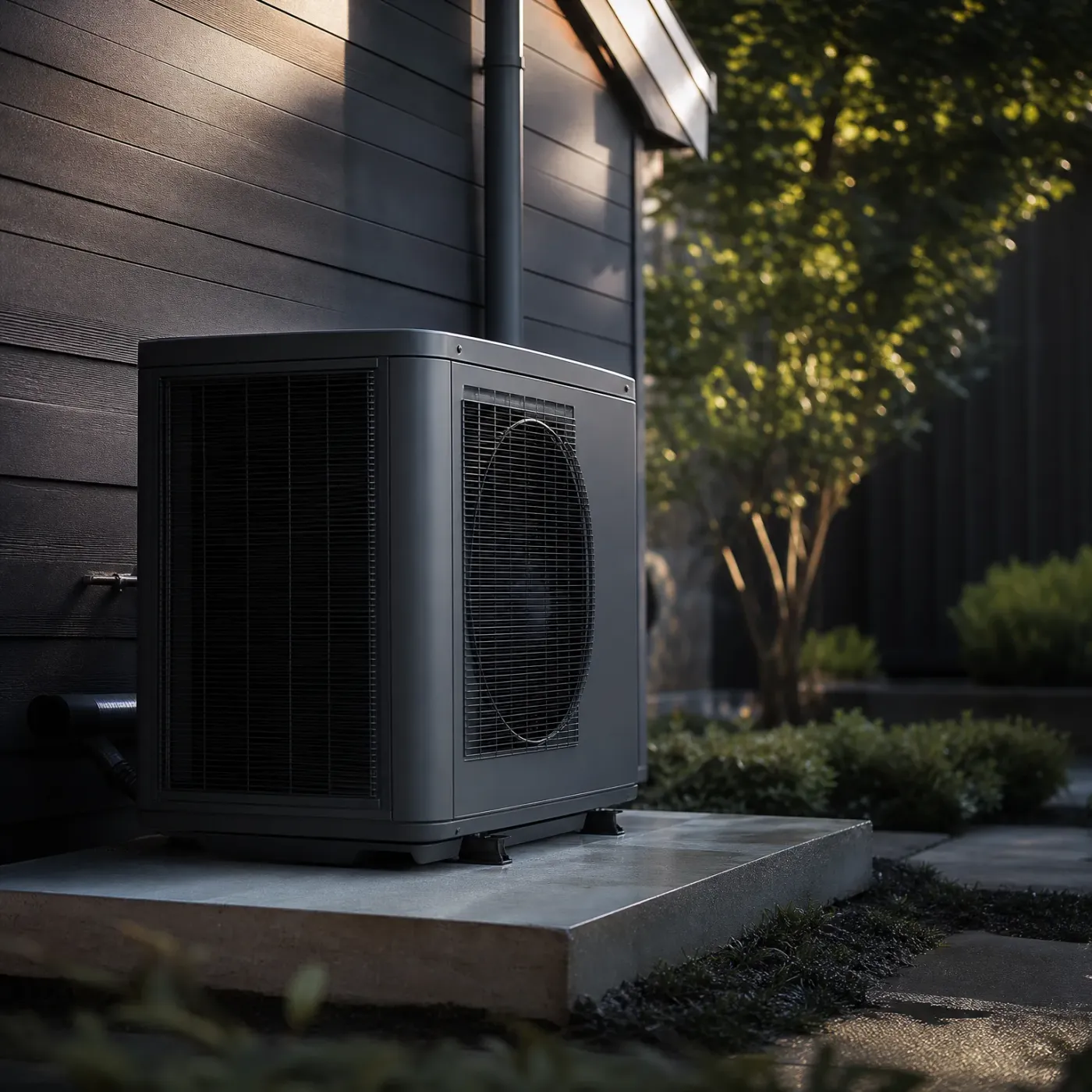
Most standard heat pumps are near the bottom of what they can pull from outside air. A gas furnace or backup heat strip usually takes over from there.
Pairs a heat pump with a gas furnace, so the furnace fires on the coldest nights while the heat pump handles the rest of the winter on its own.
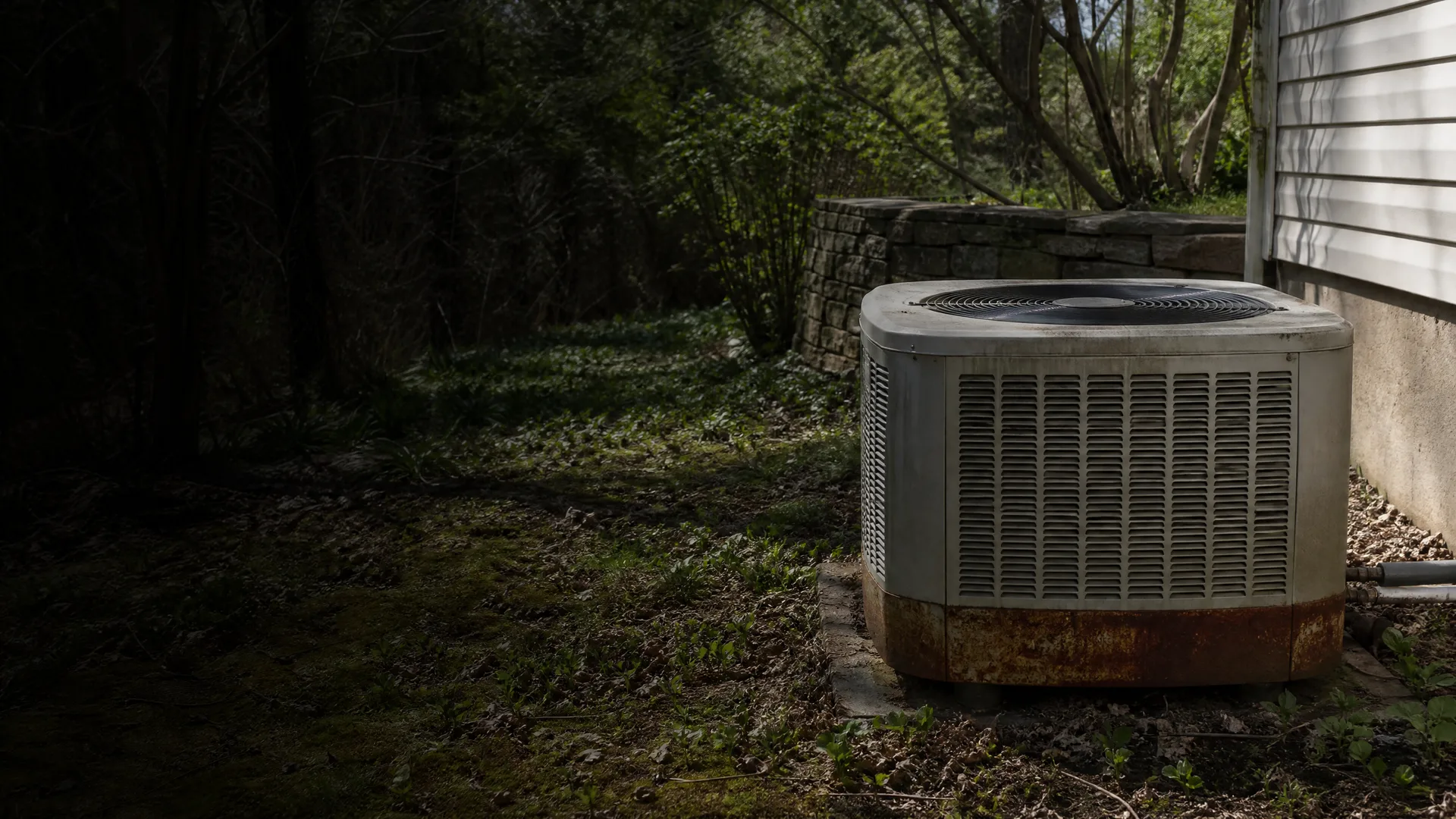
You walk out to the side yard to grab the hose and notice the unit sitting there in the thin spring light, rust working its way along the base where the casing meets the pad. It made it through winter, but you stand there a second longer than you meant to, looking at it. You think back to January, to the nights it ran and ran and the house still felt a few degrees short of right. You didn't call anyone then. You were busy, and it was working, mostly. Now, with the weather easy and the pressure off, you crouch down and look closer at the rust, at the age written into it, and figure it's time to have someone local who knows this equipment take a real look before next winter decides for you.
A furnace doesn't care how cold the air gets outside. It burns gas and makes the same heat every time it fires, whether it's 30 degrees or 5. That's why most homes in New Jersey still heat with gas, and why a heat pump here usually makes more sense paired with one than running alone. Below 5 degrees, a standard heat pump is leaning on backup heat strips to make up the difference, and those strips run up a bill fast at New Jersey's electric rates. A furnace sitting behind it as backup skips that cost entirely on the coldest nights. Getting that pairing set up right, sized to your house and your existing ductwork, isn't a one-size job. A local contractor who installs these systems every season knows which setups hold up through a Jersey winter and which ones end up leaning on the heat strips more than they should. Answer a few questions and you'll be matched with one contractor near you who can look at what you have and tell you what fits.

A clean coil and clear airflow around the cabinet let the unit pull heat efficiently even as the temperature drops. Mulch beds kept clear and the disconnect box accessible mean a contractor can service it fast if something does go wrong.

Years of dirt built up on the coil cut into how much heat it can grab from cold air, right when it needs every bit of capacity it can get. An older unit already working harder in the cold has less margin left for a January night in the teens.
You turn the thermostat up a couple degrees and the air coming out the vents feels cooler than it used to, more like room temperature than heat. The unit outside is running almost constantly, and you can hear it. Upstairs rooms lag behind the thermostat reading downstairs. If backup strips are kicking in, you might notice the electric meter spinning faster than the gas bill would explain. None of this means something is broken. It usually means the heat pump is working near the bottom of its range and leaning on backup to make up the difference. Left unchecked over several winters, a unit that's undersized or poorly matched to a gas backup can mean higher bills every cold snap and more wear on the parts doing all that extra running.
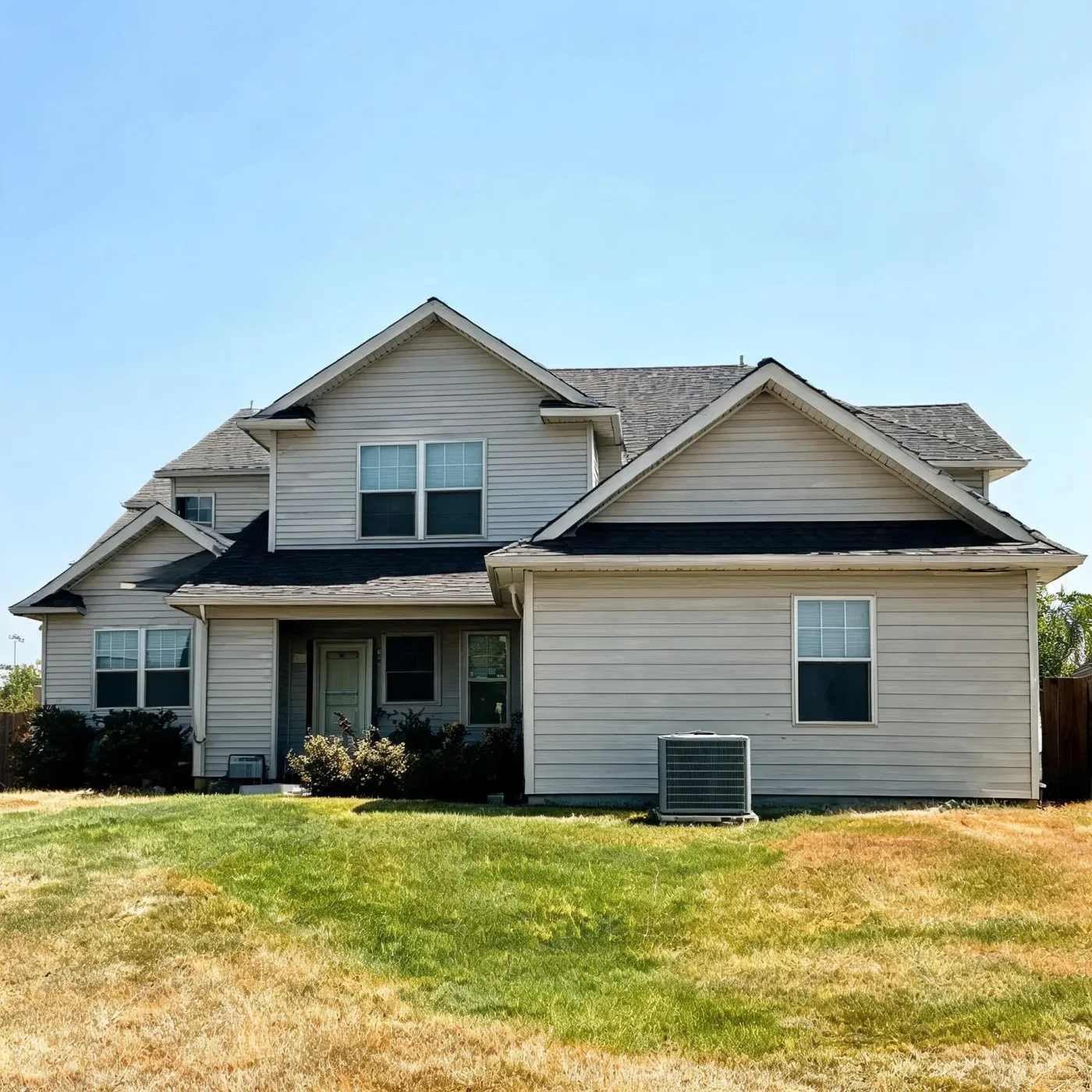
New Jersey summer air holds a dew point around 63°F on average across June, July and August, per NOAA climate data. That's humid enough that your heat pump spends those months pulling a lot of moisture out of the air along with the heat. The same reversing valve and compressor doing that job in July are what has to pull heat from cold air in January, so a unit that's been running hard all summer going into a cold winter is worth having checked before the temperature drops. Humidity load in summer isn't the same stress as cold load in winter, but it's the same equipment carrying both.
NASA POWER T2MDEW county cells weighted by homes
You've read that a heat pump starts to struggle somewhere in the 20s and runs out of room near single digits, but that's still just a number on a page. You want to know what's actually going on inside the unit when it's 15 degrees outside and the compressor is running non-stop. Knowing the mechanics of it tells you whether the system laboring out there is normal or a sign something's wearing out.
Refrigerant has to be colder than the air outside before it can absorb anything from it. On a mild day that's an easy gap to hold. As the temperature drops, the refrigerant has to run colder still, and the compressor has to work harder to squeeze enough heat out of air that doesn't have much to give. At the same time, the outdoor coil picks up frost faster in cold, damp air, so the system has to pause and run a defrost cycle to clear it. Run defrost too often and the unit is spending part of its cycle heating itself instead of your house. That's the point where a furnace or backup heat strip usually needs to pick up the slack.


At 22.48 cents per kilowatt-hour, every hour those backup strips run on a cold night adds up fast. A heat pump sized and installed right leans on strip heat less often, so fewer of those hours end up on your bill.
EIA-861 2025 statewide residential average

A heat pump in New Jersey starts losing ground in the 20s and runs out of room somewhere near single digits. That's not a flaw in the unit, it's just what the equipment is. What matters is whether yours is sized and set up to handle that, with the right backup heat ready to take over when the air outside gets too thin to pull from.
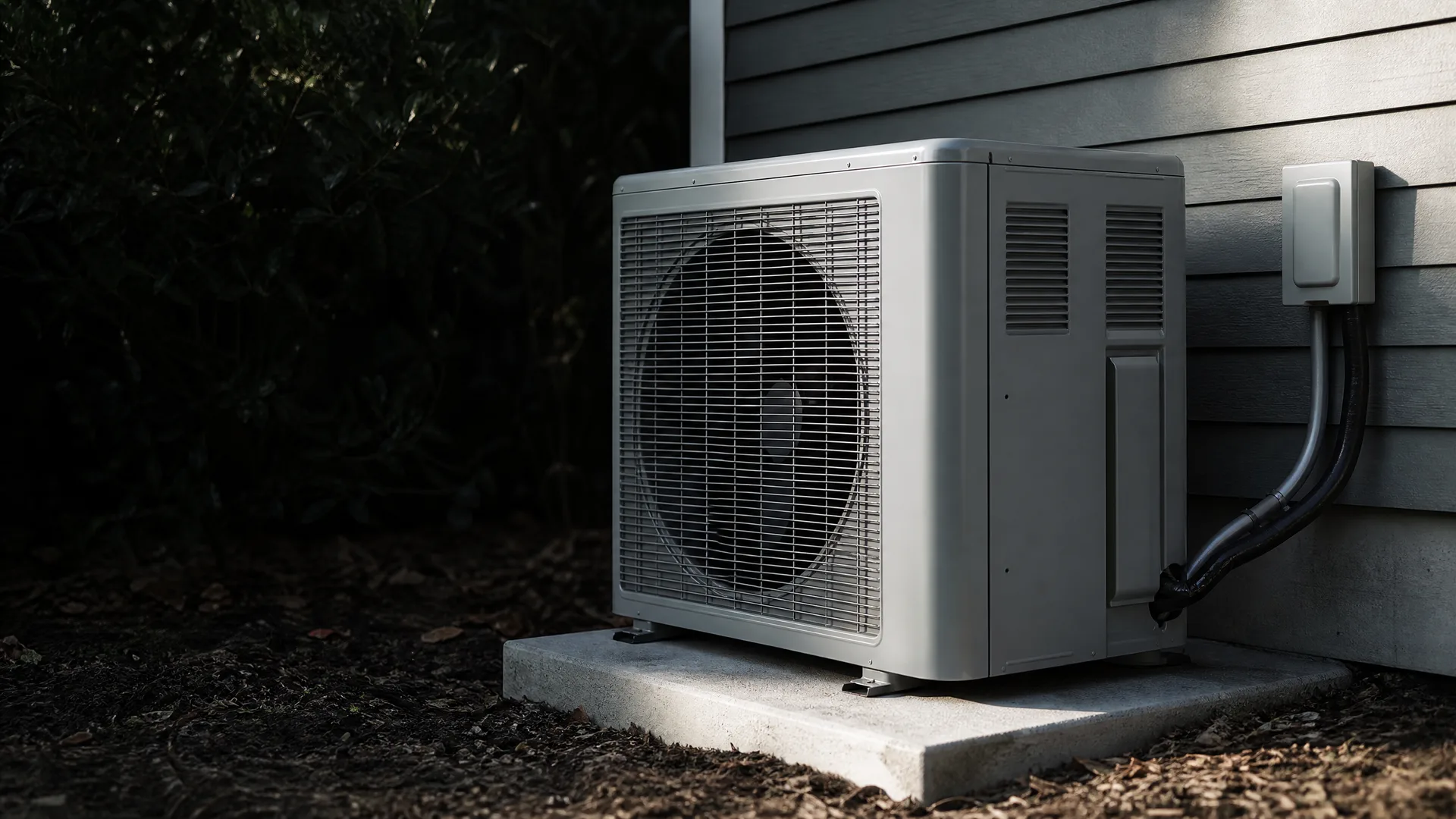
That's a sizing and installation question, and it's specific to your house, your ductwork, and whatever's already out there on the pad. A contractor who works on heat pumps in New Jersey every winter has seen how they hold up here, and what tends to go wrong when they don't. Answer a few questions about your place and you'll get matched with one local contractor who handles that kind of install, not a handful of companies competing for your callback.

A local pro for your heat pump installation