Tell us about the job
Takes about a minute. No obligation.
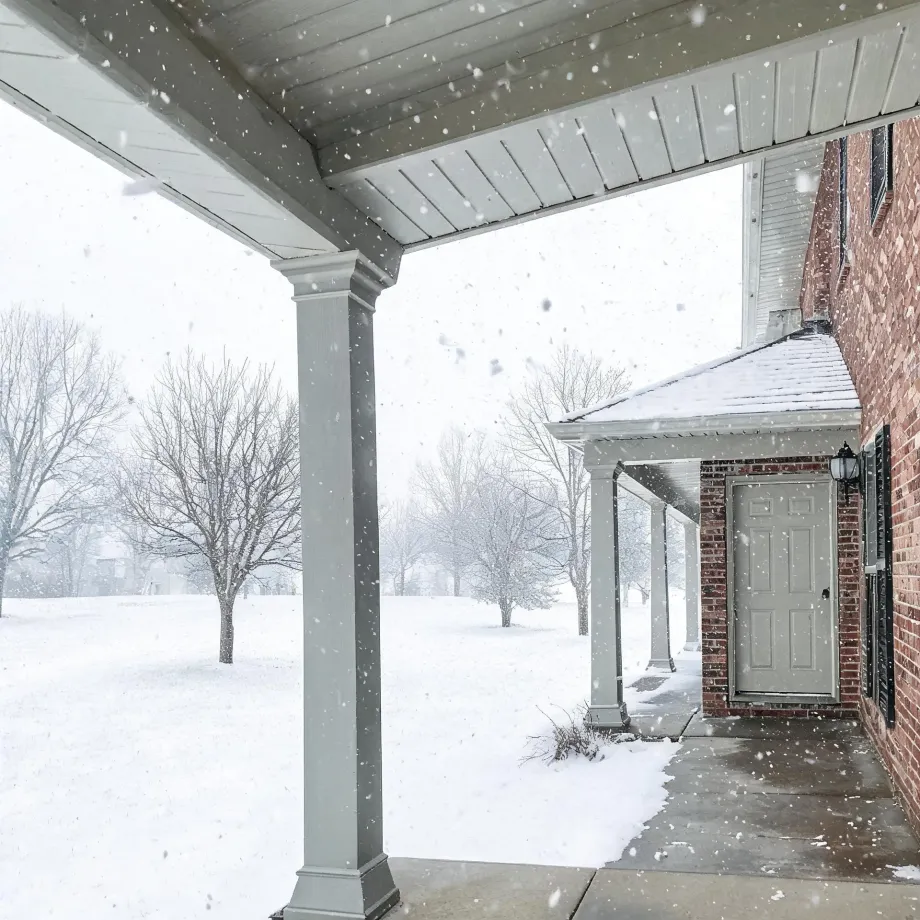
Homes in Gloucester County, NJ run heat about seven months a year, from October through April. A heat pump working through that kind of winter is running its refrigerant circuit hard: capacity drops as outdoor temperatures fall, so the compressor cycles more often and works against a steeper pressure differential than it would on a mild day. The reversing valve, which is specific to heat pumps and has no equivalent in a furnace, toggles every time the system switches modes and accumulates wear across every cold month. A contractor diagnosing a refrigerant or heating fault here looks at those two components before anything else.
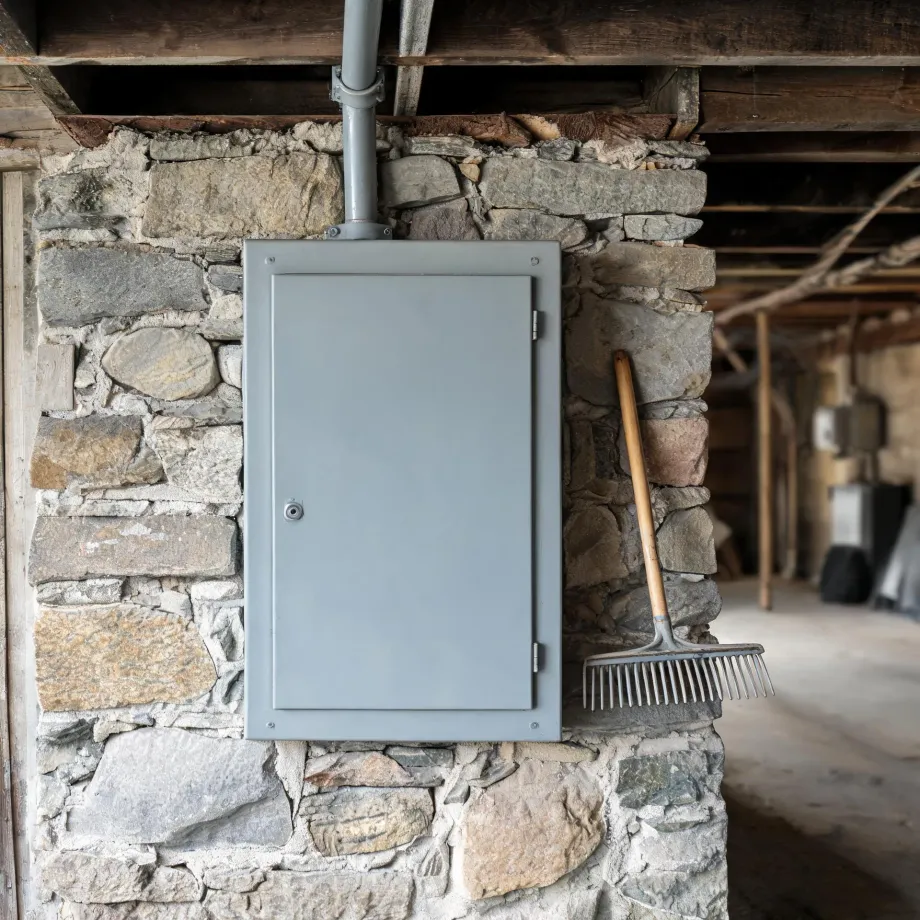
Half the homes in Gloucester County, New Jersey were built in 1980 or earlier (2020-2024 ACS 5-year). A house built to that point in time was not wired or ducted with a heat pump in mind. When a contractor opens the unit, what they find inside tells them whether the system has been maintained to compensate for that gap or left to accumulate the strain of it. Corroded contacts, worn capacitors, and refrigerant lines that have never been properly checked are common findings. Parts availability on equipment that old varies, and a thorough diagnosis has to account for that before any repair scope is set.
The Parts of a Heat Pump a Contractor Checks First
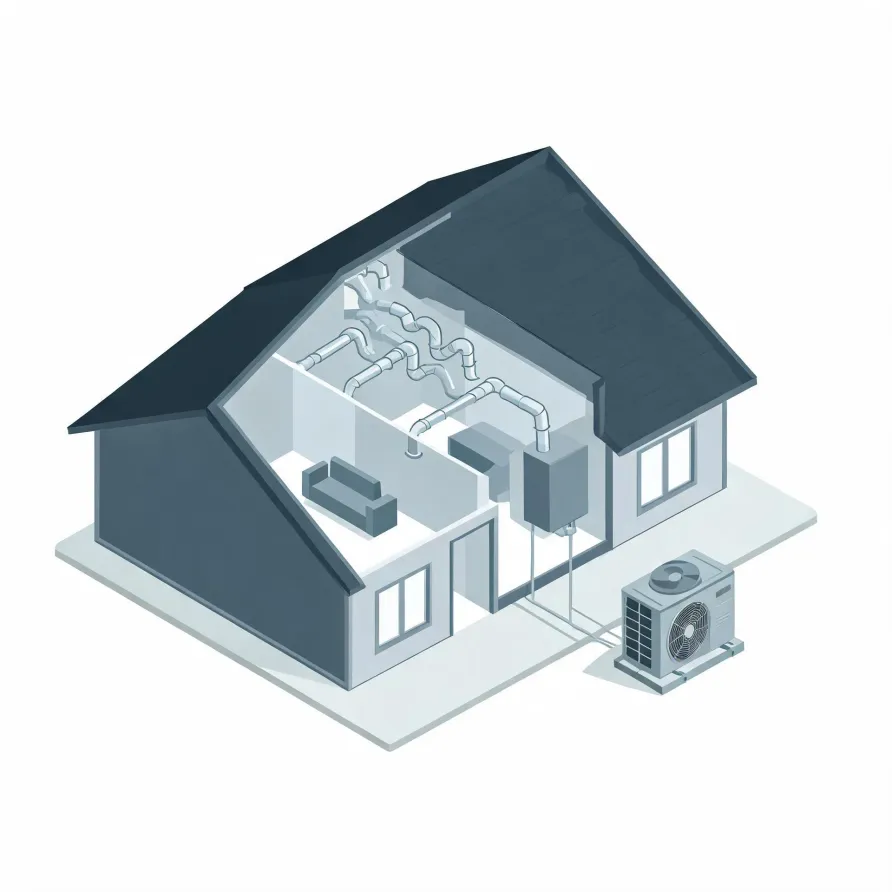
The outdoor unit sits outside the house and holds the compressor and the condenser coil. The compressor is the first thing a contractor looks at when a heat pump stops moving heat, because it is the part doing the hardest work. The condenser coil wraps around it and is a common source of trouble when it is dirty or bent.
Inside the house, the air handler holds the evaporator coil and the blower fan, which pulls air across the coil and pushes it through the home. The expansion valve sits between the two coils and controls refrigerant flow. The refrigerant lines connecting the indoor and outdoor units are also checked, since a leak anywhere in that circuit will affect the whole system.
The drawing shows the general layout of a heat pump system, and a licensed contractor determines what applies to the specific equipment and configuration in your home.
Get matched in Gloucester CountyGloucester County, by the numbers
171 severe weather events were recorded in Gloucester County, New Jersey between 2015 and 2024.
NOAA National Centers for Environmental Information, Storm Events Database, bulk CSV export, events 2015-01-01 through 2024-12-31.Half the homes in Gloucester County, New Jersey were built in 1980 or earlier (2020-2024 ACS 5-year).
U.S. Census Bureau, 2020-2024 American Community Survey 5-Year EstimatesGloucester County, New Jersey holds 117,915 housing units (2020-2024 ACS 5-year).
U.S. Census Bureau, 2020-2024 American Community Survey 5-Year EstimatesOwners occupy 80.1% of the occupied homes in Gloucester County, New Jersey (2020-2024 ACS 5-year).
U.S. Census Bureau, 2020-2024 American Community Survey 5-Year EstimatesCodes & Standards Behind Heat Pump Repair in Gloucester County, New Jersey2 sourced rules & standards
What Gloucester County, New Jersey Requires for HVAC Repair Work
In New Jersey the HVACR licence is the State's alone: a municipality, local board of health or any other agency may not issue or renew a Master HVACR contractor's licence.
New Jersey requires a Master HVACR contractor licence: no person or business may engage in the business of HVACR contracting, or advertise as a Master HVACR contractor, without being authorised under the State HVACR Contracting License Law.
Severe Weather Events in Gloucester County
Extreme weather puts heat pumps under sustained stress, and the local pattern of that stress shapes how hard a system works and what tends to wear out first. Repair needs in Gloucester County are tied directly to what the weather asks of the equipment here.
171 severe weather events, 2015–2024. Source: NOAA National Centers for Environmental Information, Storm Events Database.