Tell us about the job
Takes about a minute. No obligation.
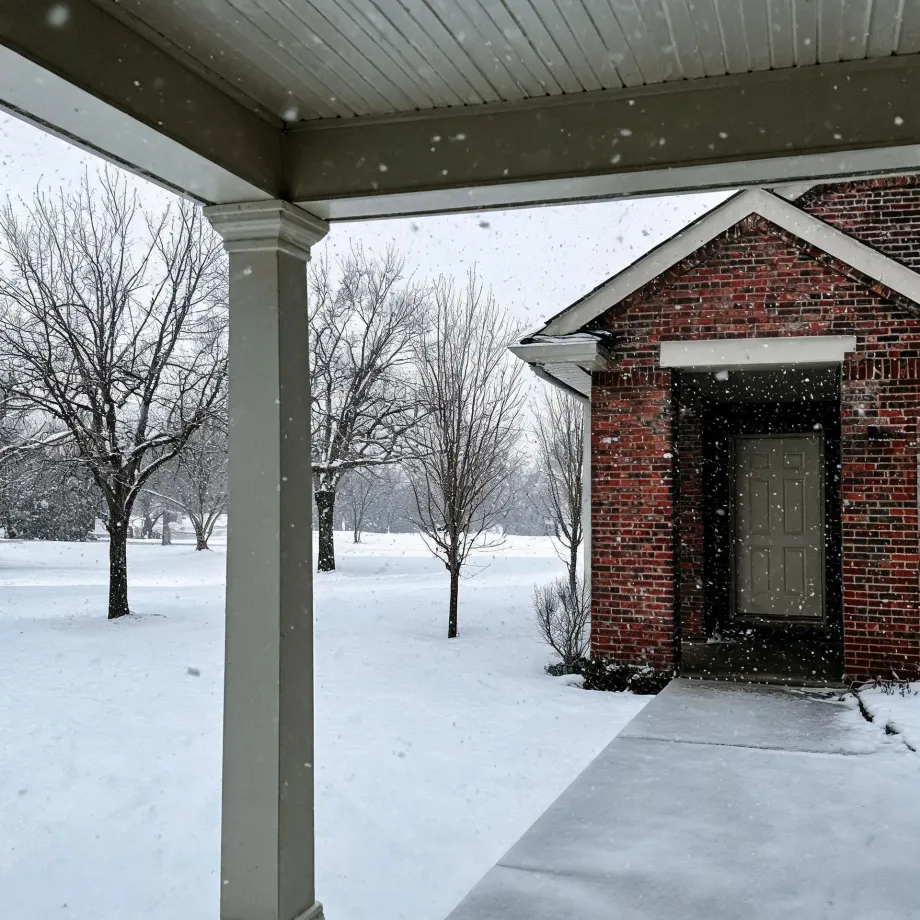
Sizing a heat pump for Bergen County starts with cold-end capacity, not average load. Homes in Bergen County, NJ run heat about eight months a year, from October through May. As outdoor temperatures fall through January and February, a heat pump's output drops while the house's demand rises, and the gap between those two lines is where backup heat lives. A contractor who skips a full load calculation and picks equipment by square footage alone leaves that gap wider than it needs to be. The homeowner pays for it every winter in resistance heat pulling full draw.
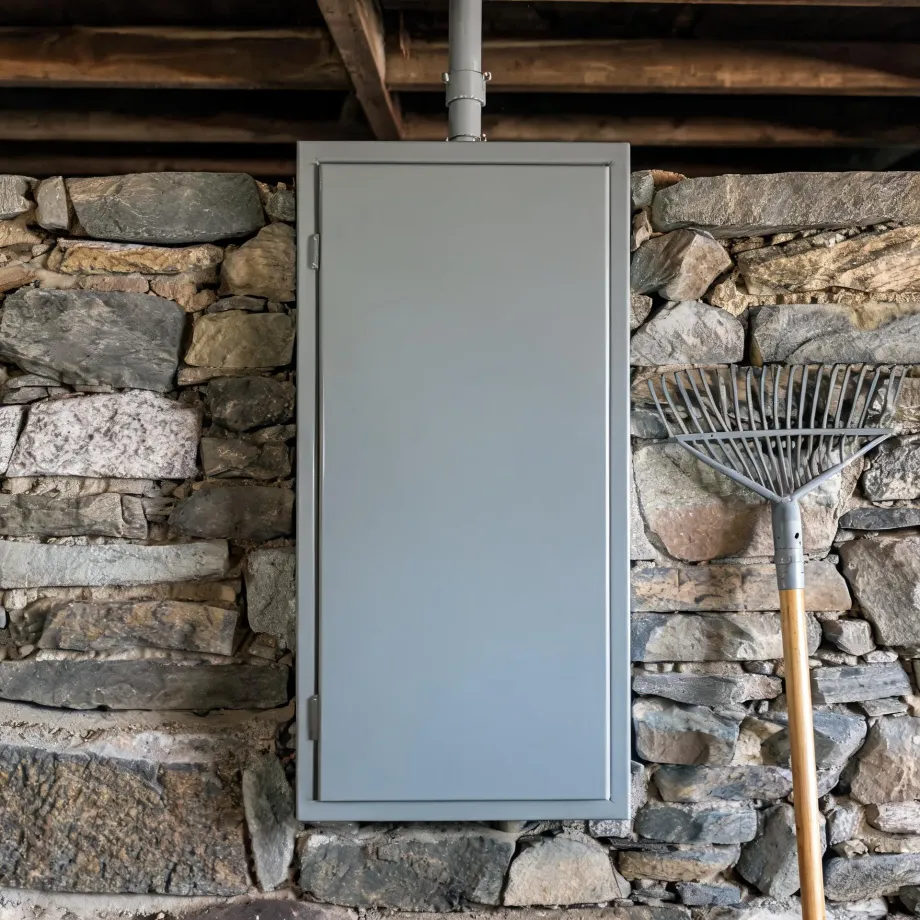
Ductwork in houses this old was designed around the system that came with the house, and a heat pump moves air at different volumes and pressures than what those runs were sized for. Half the homes in Bergen County, New Jersey were built in 1960 or earlier (2020-2024 ACS 5-year). A contractor quoting a heat pump installation here measures and pressure-tests the existing duct system before anything else, because whether it can carry the new equipment without modification is what determines the scope and the price. The electrical service gets the same scrutiny: panels in houses of this vintage were not wired for the loads a modern heat pump draws.
What Gets Installed With a New Heat Pump
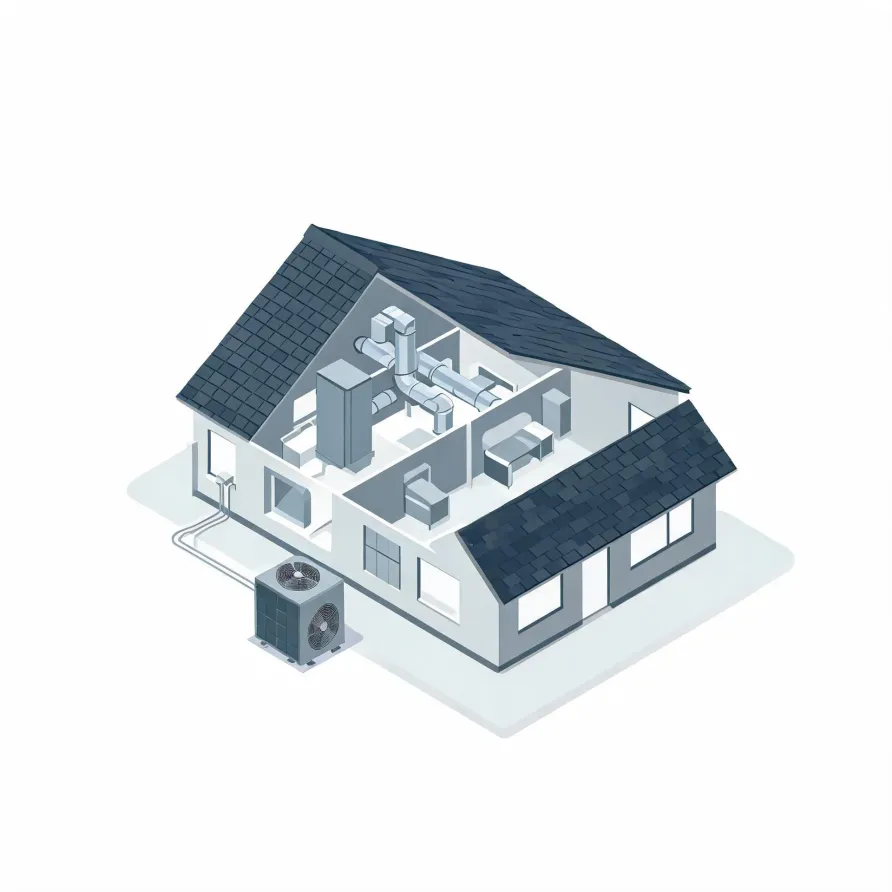
The outdoor unit is the piece most homeowners notice first. It sits on a pad beside the house and holds the compressor and the outdoor coil, which together do the bulk of the work moving heat between inside and outside. The indoor air handler mounts in a utility space, closet, or attic and pushes conditioned air through the home.
A refrigerant line set runs between the two units, carrying the refrigerant that links them into a single system. The thermostat goes on an interior wall where it reads the home's temperature and tells the system when to run. A condensate drain line carries moisture away from the air handler.
The drawing shows a typical layout, and a licensed contractor determines exactly what applies to your house.
Get matched in Bergen CountyBergen County, by the numbers
246 severe weather events were recorded in Bergen County, New Jersey between 2015 and 2024.
NOAA National Centers for Environmental Information, Storm Events Database, bulk CSV export, events 2015-01-01 through 2024-12-31.Half the homes in Bergen County, New Jersey were built in 1960 or earlier (2020-2024 ACS 5-year).
U.S. Census Bureau, 2020-2024 American Community Survey 5-Year EstimatesBergen County, New Jersey holds 369,613 housing units (2020-2024 ACS 5-year).
U.S. Census Bureau, 2020-2024 American Community Survey 5-Year EstimatesOwners occupy 65.3% of the occupied homes in Bergen County, New Jersey (2020-2024 ACS 5-year).
U.S. Census Bureau, 2020-2024 American Community Survey 5-Year EstimatesHeat Pump Installation Rules & Standards for Bergen County, New Jersey2 sourced rules and standards
Licensing and Legal Requirements in Bergen County, New Jersey
In New Jersey the HVACR licence is the State's alone: a municipality, local board of health or any other agency may not issue or renew a Master HVACR contractor's licence.
New Jersey requires a Master HVACR contractor licence: no person or business may engage in the business of HVACR contracting, or advertise as a Master HVACR contractor, without being authorised under the State HVACR Contracting License Law.
Severe Weather Events in Bergen County
Weather puts a measurable load on heating and cooling equipment, and that load shapes what a heat pump here needs to handle year after year. Bergen County's climate is the baseline a contractor works from when sizing and installing equipment for your home.
246 severe weather events, 2015–2024. Source: NOAA National Centers for Environmental Information, Storm Events Database.